Yoga for IBS: 6 Gentle Yoga Poses for Bloating, Constipation and Gut Health
Yoga for IBS: 6 Gentle Yoga Poses for Bloating, Constipation and Gut Health
Can yoga help with IBS, bloating, constipation and digestive discomfort?
If you live with irritable bowel syndrome (IBS), bloating, constipation, gas or digestive discomfort, you may wonder whether yoga can help. Yoga cannot cure IBS, and no single pose works for everyone. However, gentle movement, breathing, relaxation and body awareness may be useful complementary practices for some people.
This guide explores six poses that can fit into a gentle practice for people interested in yoga for IBS, bloating, digestion and gut health. The aim is not to force the body or promise a quick fix. It is to move comfortably, breathe steadily and choose a practice that feels appropriate for you.
Important: Yoga is not a substitute for medical diagnosis or treatment. Seek professional advice for persistent, severe or unusual digestive symptoms.
What is IBS?
IBS is a group of symptoms that can include repeated abdominal pain and changes in bowel movements, such as diarrhoea, constipation or both. It is considered a disorder of gut-brain interaction: the digestive system and nervous system influence each other. Bloating and a feeling of incomplete bowel movements can also occur.
For a clear overview of IBS symptoms, diagnosis and treatment options, see the NIDDK Irritable Bowel Syndrome resource.
IBS management differs from person to person. Healthcare professionals may recommend changes in diet and lifestyle, medicines, psychological therapies or other options depending on the individual. Yoga can sit alongside—not replace—appropriate care.
Can yoga help with IBS?
Yoga should be treated as a supportive wellness practice, not an IBS treatment or cure. Some people may find that a gentle, regular practice helps them make time for movement and relaxation. For others, certain poses may feel uncomfortable or aggravate symptoms. The right level of practice is the one that feels safe and sustainable for your body.
For someone with digestive discomfort, a useful principle is simple: gentle movement, comfortable breathing, relaxation, consistency and appropriate medical care when needed.
6 gentle yoga poses for IBS bloating and gut health
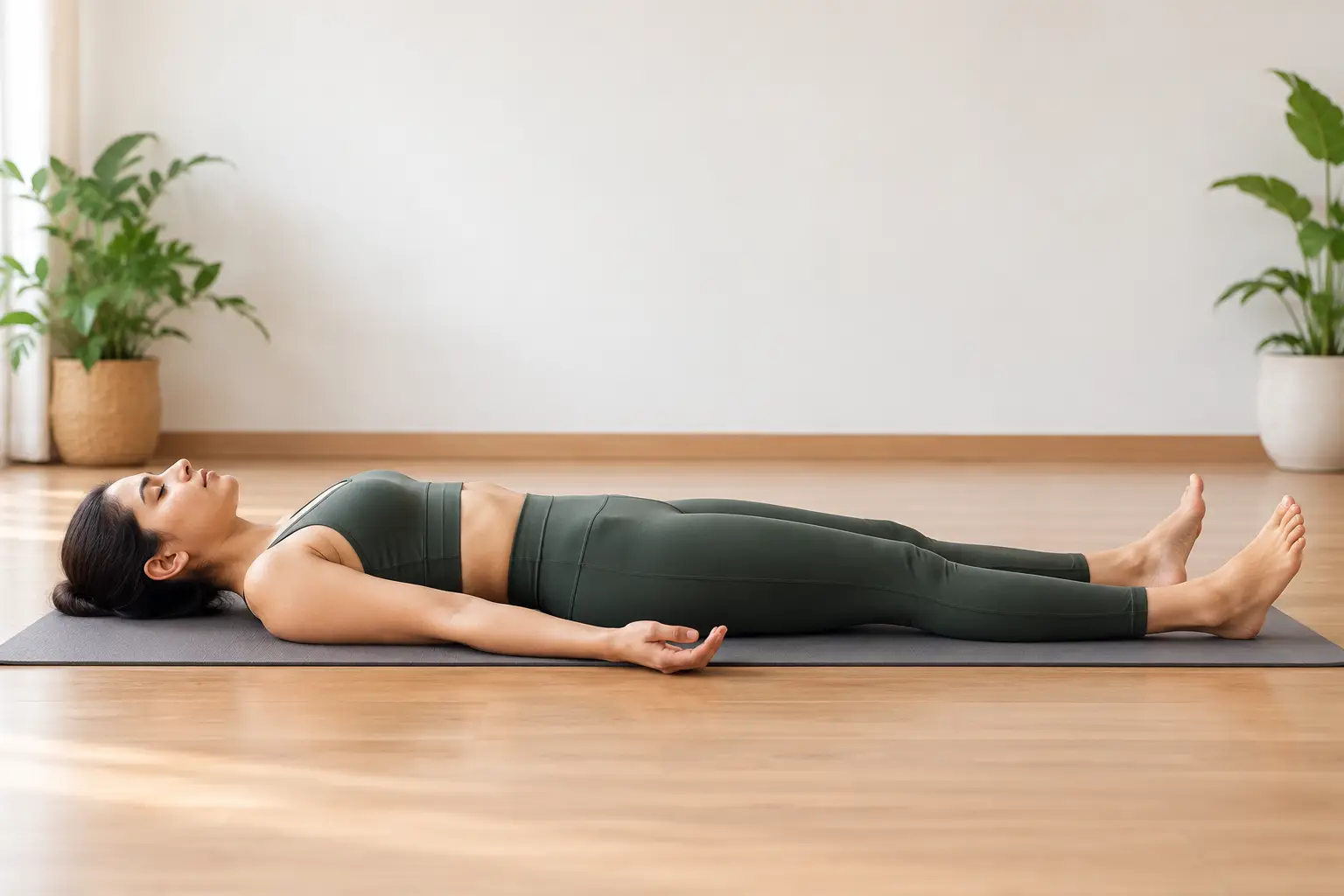
1. Savasana Corpse Pose
Lie comfortably on your back with your legs relaxed and arms by your sides. Let your breathing become natural. Savasana provides time for rest and body awareness. If lying flat is uncomfortable, place a cushion under your knees.
2. Dhanurasana Bow Pose
This is a more demanding backbend. Lie on your abdomen, bend your knees and reach towards the ankles only if comfortable. Lift gently without forcing. Stop if you feel abdominal, back, neck or shoulder pain. Beginners may prefer to learn this posture with a qualified teacher.
3. Matsyasana Fish Pose
Move gradually into this chest-opening posture and avoid pressure on the neck. Rather than expecting one pose to change digestion, use it as one optional part of a practice that includes gentle movement, breathing and relaxation.
4. Shalabhasana Locust Pose
Start with a small, controlled lift from a prone position. Keep your breathing steady and release slowly. Choose a modest version rather than chasing an advanced shape. Stop if the posture causes pain.
5. Ardha Matsyendrasana Half Spinal Twist
Sit comfortably, lengthen through the spine and rotate only within a comfortable range. Gentle spinal movement can be part of a balanced practice, but avoid aggressive twisting or claims that twists detoxify the body.
6. Trikonasana Triangle Pose
Stand with feet comfortably apart, extend the arms and move into the posture with steady breathing. You do not need to touch the floor; a yoga block can make the pose more accessible. Focus on stability and awareness, not maximum flexibility.
Yoga for bloating gas and constipation
Bloating, gas and constipation can have many causes. There is no guaranteed yoga pose for bloating. A gentle practice may include comfortable walking, relaxed breathing, Savasana, light spinal movement, restorative postures and other movements that feel good to you. If a movement increases pain or discomfort, stop.
For people with constipation-predominant IBS, regular activity may be one element of a broader healthy routine. A practical sequence is 5 to 10 minutes of comfortable walking, gentle mobility, a few selected poses and a short rest. Build gradually instead of attempting an intense session occasionally.
Yoga for IBS and stress
The gut and nervous system communicate continuously, so relaxation and stress-management practices may be relevant for some people living with IBS. At the same time, IBS should never be dismissed as “just stress.” If symptoms persist or interfere with daily life, consult an appropriate healthcare professional.
What about diet and vitamin B12?
Digestive health is influenced by more than yoga. If you have persistent symptoms or concerns about dietary restriction, discuss them with a qualified healthcare professional. Vitamin B12 is needed for healthy red blood cells and neurological function. Its absorption from food involves several steps, including stomach acid and intrinsic factor.
For evidence-based information about vitamin B12, including factors that can affect absorption, read the NIH Office of Dietary Supplements Vitamin B12 Fact Sheet. Do not stop prescribed medication without medical advice.
A simple gentle routine for gut wellness
- Comfortable walking for 5 to 10 minutes
- Savasana for 2 to 5 minutes
- A gentle seated twist and Triangle Pose, if comfortable
- Relaxed breathing
- Savasana for 2 to 5 minutes
There is no need to rush. Consistency and listening to your body matter more than performing advanced poses.
When should you seek medical advice?
Do not assume persistent digestive symptoms are simply IBS. Seek medical evaluation if symptoms are severe, persistent or unusual for you, or if you have unexplained weight loss, blood in the stool, persistent vomiting, fever, anaemia or a significant change in bowel habits. Yoga can support a healthy lifestyle, but it should not delay appropriate care.
Frequently asked questions
Which yoga is best for IBS? There is no single pose that is best for everyone. A gentle combination of movement, breathing and relaxation may be more suitable than an intense practice.
Can yoga reduce bloating? Some people may find gentle movement and relaxation helpful, but bloating has many possible causes. Persistent bloating should be appropriately evaluated.
Can yoga cure IBS? No. Yoga should not be presented as a cure for IBS. It may be a supportive part of an individual’s broader wellbeing routine.
Should I stop acidity medicine because of vitamin B12? No. Some acid-reducing medicines can affect B12 absorption, but prescribed medicines should not be stopped without discussing the decision with a healthcare professional.
Final thought
Yoga for IBS is most useful when approached with patience rather than promises. Choose gentle movement, practise within your comfort zone and seek qualified help when you need it. Yogapedia India helps readers discover responsible yoga learning and relevant teachers.
 STUDENT
 TEACHER