200-Hour Yoga Teacher Training — Everything You Need to Know Before Enrolling
Yoga can be a personal practice, a way to explore traditional philosophy and a path towards helping others learn. For practitioners who want to take the next step, a 200-hour yoga teacher training programme is a common starting point for developing the knowledge and skills needed to teach yoga.
But choosing a course involves more than selecting a school or receiving a certificate.
You need to understand the curriculum, teaching practice, instructors’ experience, course format and the credentials the programme actually provides.
If you are considering yoga teacher training in India or exploring options internationally, this guide will help you understand what a 200-hour programme typically involves, what to look for when comparing schools and how to choose a course that aligns with your goals.
You can also explore the yoga teacher training options on Yogapedia India to learn more about available programmes and enquiry options.
1. What Is a 200-Hour Yoga Teacher Training Programme?
A 200-hour yoga teacher training programme is a foundational course designed to develop a student’s understanding of yoga practice and the skills involved in teaching it.
Depending on the school, its teaching methodology and its curriculum, a programme may cover:
- Yoga postures and movement techniques.
- Breathing practices and pranayama.
- Meditation and concentration.
- Yoga anatomy and physiology.
- Yoga philosophy and history.
- Teaching methodology.
- Class planning and sequencing.
- Professional responsibilities and teaching ethics.
- Supervised teaching practice and feedback.
The exact curriculum, assessment methods and course format vary by training provider.
A well-designed course should help trainees develop both their own practice and the ability to explain yoga concepts and guide students appropriately.
Is 200-hour training suitable for beginners?
Many foundational programmes welcome students who are relatively new to yoga teaching, but admission requirements differ between schools.
Some schools expect a consistent personal practice or prior yoga experience. Others may specify additional prerequisites.
Before applying, check the school’s entry requirements, the pace of the programme and the level of experience expected.
You should also ask how much time is devoted to personal practice, theory, teaching skills and assessment.
Important: Completing a 200-hour course does not automatically make someone eligible for every professional credential or guarantee employment as a yoga teacher. The outcome depends on the programme and any additional requirements of the relevant credentialing organisation.
2. What Do You Learn During 200-Hour Yoga Teacher Training?
A comprehensive teacher training programme should develop an understanding of yoga beyond memorising postures.
When comparing programmes, look at the subjects covered and how trainees are assessed.
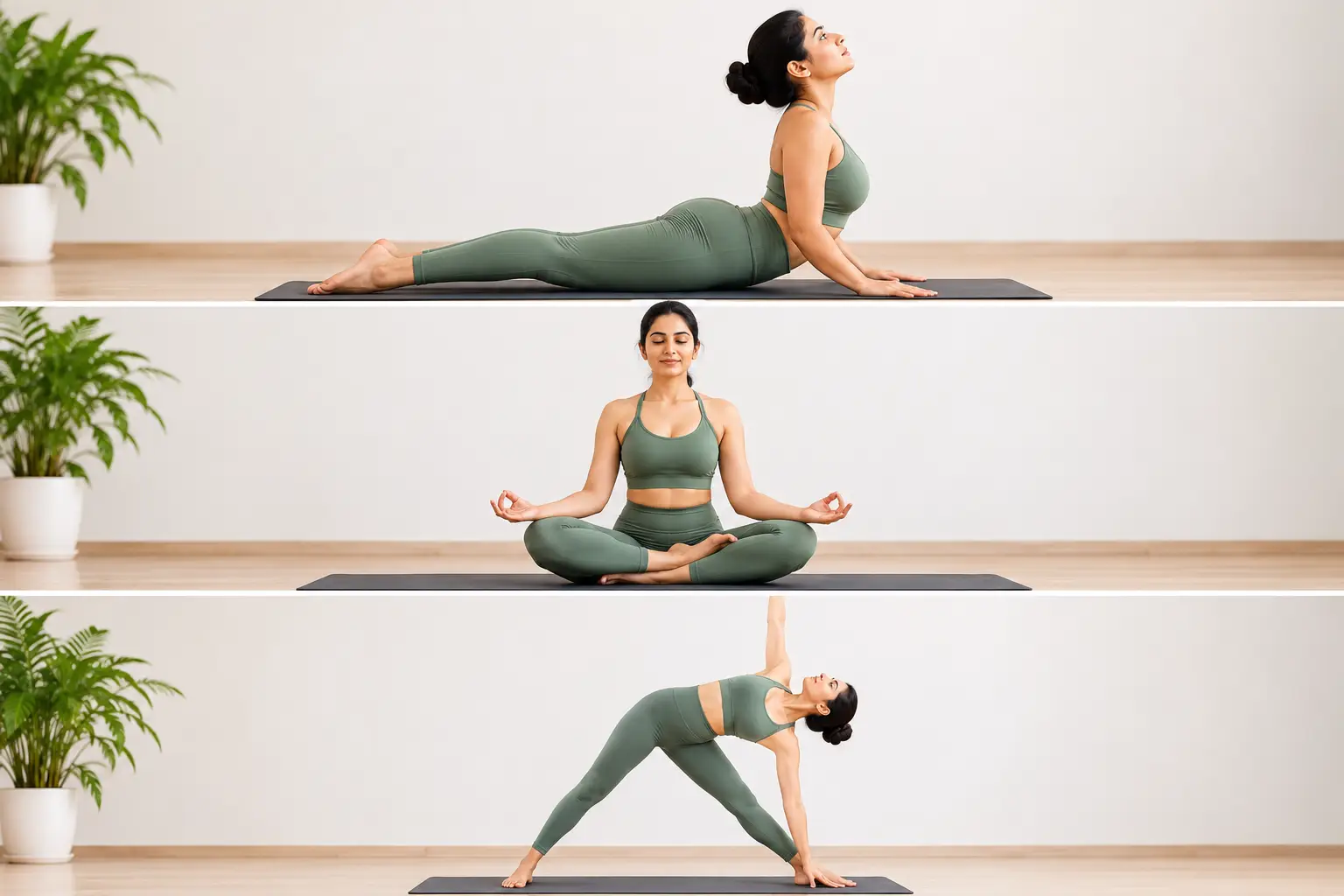
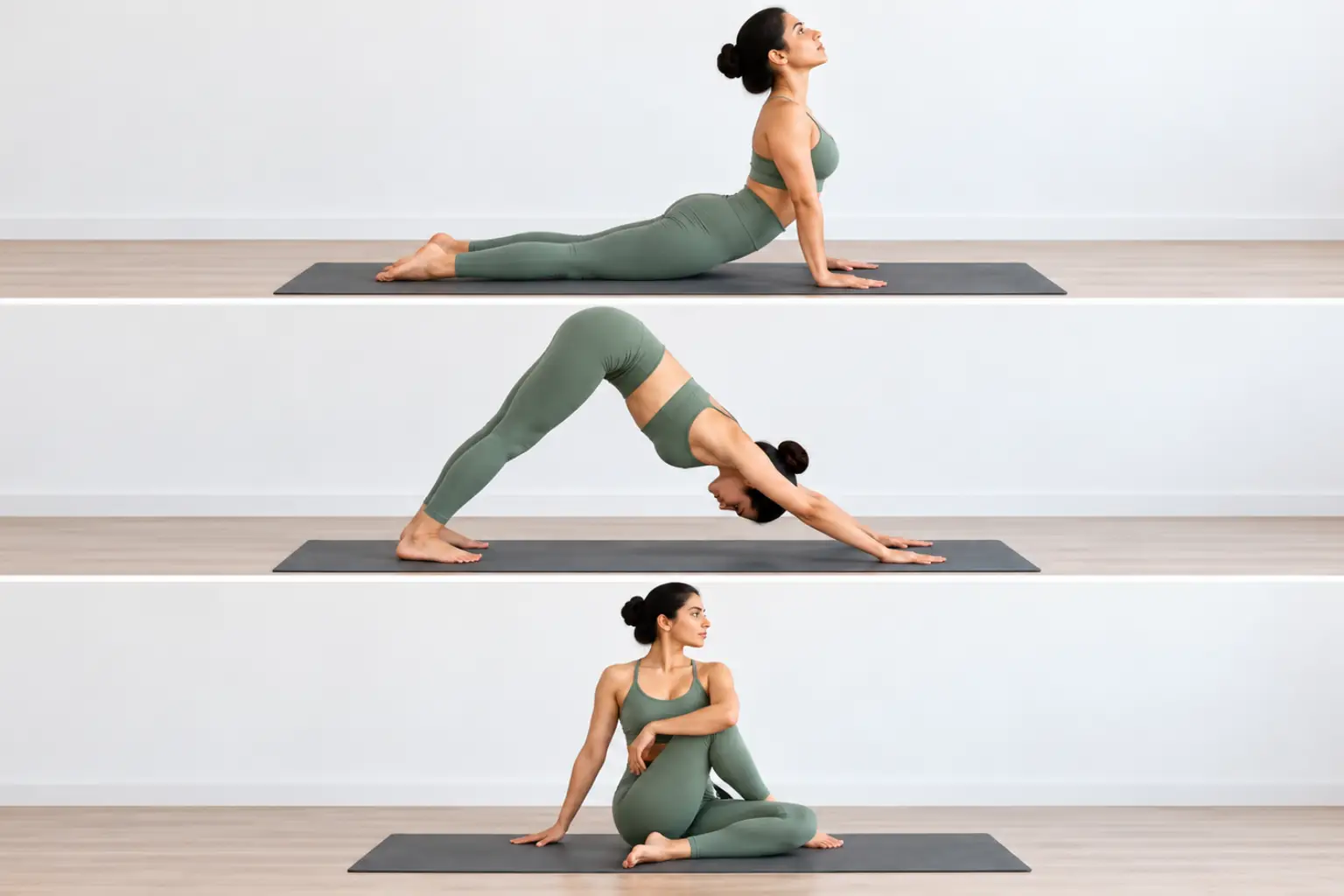
Yoga postures and practical techniques
Trainees generally study yoga postures, their purpose, common variations and ways to adapt instruction for different abilities.
They may learn how to demonstrate movements, explain alignment considerations and offer suitable modifications.
The aim is to develop a thoughtful understanding of practice rather than simply perform a sequence.
Pranayama and meditation
Many programmes introduce breathing techniques, meditation practices and their place within a broader yoga tradition.
Students may learn how to introduce these practices, explain relevant precautions and guide a session appropriately.
Ask how much practical instruction is included and how the school approaches different techniques.
Yoga anatomy and physiology
Anatomy and physiology help trainees understand the body in relation to movement and physical practice.
A programme may cover relevant joints, muscles, movement patterns, breathing and the principles of adapting instruction.
This knowledge is important when considering how to teach responsibly and recognise when a student may need advice from a qualified healthcare professional.
Yoga philosophy and history
Yoga includes philosophical and historical traditions that extend beyond physical postures.
Depending on the programme, students may explore concepts from classical yoga philosophy, the Yoga Sutras, the Bhagavad Gita and other relevant texts.
The teaching approach and reading list will vary, so review the school’s curriculum if philosophical study is important to you.
Teaching methodology
Learning yoga and teaching yoga are related but distinct skills.
Teacher training should help students practise explaining postures, demonstrating techniques, planning sequences and communicating clearly.
It should also introduce professional responsibilities, appropriate boundaries and the importance of teaching within one’s training and experience.
Supervised teaching practice
Practical teaching experience is an important element to investigate when comparing courses.
Ask how trainees practise teaching, receive feedback and demonstrate their understanding before graduating.
Do not assume that every programme uses the same assessment method or provides the same amount of supervised practice.
If you want to understand the curriculum expectations for Yoga Alliance’s school credentials, consult its official Registered Yoga School standards.
3. How to Choose the Right Yoga Teacher Training School
Choosing the right school can shape your learning experience, so it is worth comparing programmes carefully.
A course may look attractive because of its location or marketing, but you should also examine its educational quality, teaching team and practical arrangements.
Check the curriculum
Ask for a detailed syllabus before enrolling.
Find out which yoga styles are taught, how much time is spent on philosophy and anatomy, and whether the course includes teaching methodology and assessment.
If you are interested in Hatha Yoga, Ashtanga Yoga or another specific approach, check that the curriculum genuinely reflects your interests.
Research the instructors
Review the trainers’ qualifications, teaching experience and areas of expertise.
Look for clear information about who will teach the different subjects and who is responsible for supervising practical teaching.
If the school makes claims about specialist qualifications, professional registrations or affiliations, ask how those claims can be verified.
Understand the certificate you will receive
One of the most important questions is what the school actually awards at the end of the course.
A school may issue its own course completion certificate. A separate professional registration may require an application and additional eligibility requirements.
For example, Yoga Alliance distinguishes between a Registered Yoga School (RYS), which is a school credential, and a Registered Yoga Teacher (RYT), which is an individual teacher credential.
Completing a 200-hour programme at a school with the relevant active RYS 200 credential can provide the training basis for applying for the RYT 200 credential, subject to the organisation’s current requirements and application process.
Do not assume that a course is Yoga Alliance registered merely because it uses the terms yoga teacher training, 200-hour certification or international certification.
Check the current status of the specific school and programme directly.
You can review the official information here:
- Yoga Alliance — Registered Yoga School Standards
- Yoga Alliance — Registered Yoga Teacher Credentials
Compare the format and schedule
Teacher training programmes may be delivered in different formats, including intensive residential courses, scheduled in-person programmes and online or blended options where permitted.
Before enrolling, clarify:
- The start and end dates.
- The daily schedule and total instructional hours.
- Whether accommodation and meals are included.
- Whether the programme is residential.
- The attendance requirements.
- How teaching practice and assessments are conducted.
- Whether missed sessions can be made up.
- What happens if you need to withdraw.
If you are considering an online programme, verify that its format satisfies the requirements of any credential you intend to pursue.
Read the policies before paying
Ask for the complete fee structure, payment schedule, cancellation policy and refund conditions.
Understand what is included in the tuition and what may cost extra.
A transparent school should be able to explain the programme’s arrangements before you commit.
4. Why Do Many Students Consider Yoga Teacher Training in India?
India has a long and diverse history of yoga traditions and teaching lineages. Students interested in learning about yoga’s historical and philosophical contexts may therefore consider training programmes in India.
However, the country or city alone does not determine a programme’s quality.
When comparing yoga teacher training in India, evaluate the same factors you would consider anywhere else: curriculum, trainer experience, practical teaching, assessment, student support and credential claims.
What about yoga teacher training in Rishikesh?
Rishikesh is one of the destinations people consider when researching yoga education in India.
If you are considering a programme there, ask about the school’s teaching methodology, the daily schedule, accommodation, student support and the credentials associated with the specific course.
Look beyond promotional photographs and general claims. Request written details about what the course includes and what you will receive upon completion.
International students should also check applicable visa and travel requirements through official government sources before making arrangements.
5. How Much Does a 200-Hour Yoga Teacher Training Course Cost?
There is no single price for every 200-hour yoga teacher training programme.
Fees vary according to location, course duration, accommodation, meals, trainer experience, teaching format and what the tuition includes.
When comparing prices, request an itemised breakdown.
Consider the following:
| Cost component | What to check |
|---|---|
| Tuition | Does the fee cover the full training programme? |
| Accommodation | Is lodging included or charged separately? |
| Meals | Are meals provided, and for how many days? |
| Study materials | Are books, manuals and other learning materials included? |
| Assessment | Are examinations or reassessments charged separately? |
| Certification | What certificate is issued, and are external application fees separate? |
| Travel | Are transport and travel arrangements your responsibility? |
| Cancellation | What happens if you withdraw or the programme changes? |
Do not compare schools on price alone.
A lower fee may exclude accommodation or other services, while a higher fee does not automatically indicate better teaching.
Compare the full programme, the qualifications of the trainers and the learning support you can reasonably expect.
6. What Can You Do After Completing Yoga Teacher Training?
Completing a foundational yoga teacher training programme may open several pathways, depending on your abilities, interests and any further requirements that apply.
Possible directions include:
Teaching group yoga classes
Some graduates pursue opportunities to teach group classes at yoga studios, fitness facilities or community settings, subject to the expectations of the employer or venue.
Offering private yoga instruction
Individual sessions may allow teachers to work with students who prefer personalised instruction.
Teachers should remain within their training and experience and refer students to appropriate professionals when a request falls outside their scope.
Teaching online
Some yoga teachers offer live online classes or other forms of remote instruction.
This requires consideration of communication, class planning, technology and how to guide students safely when they are not in the same physical space.
Developing a specialist area
With suitable additional education and experience, teachers may explore areas such as prenatal yoga, children’s yoga, meditation or other specialised practices.
Specialist training requirements differ, so investigate them before advertising a specialisation.
Continuing yoga education
Some teachers progress to advanced training, workshops or further study to deepen their understanding and teaching abilities.
A 200-hour course is a starting point for many teachers, not the end of their learning journey.
A realistic expectation: A certificate does not guarantee employment, income or student bookings. Building teaching experience, communicating clearly, developing professional relationships and maintaining appropriate credentials may all matter in establishing a teaching career.
7. What Is the Difference Between a Yoga Certificate and Yoga Alliance Registration?
This distinction is particularly important if you are comparing yoga teacher certification programmes.
A training school may issue a certificate confirming that you completed its course.
Yoga Alliance operates a separate credentialing system for eligible yoga schools and teachers.
The terms commonly used in that system include:
- RYS 200: Registered Yoga School credential for a qualifying 200-hour training programme.
- RYT 200: Registered Yoga Teacher credential available to eligible individuals who meet the organisation’s requirements.
- RYS 300: A school credential associated with qualifying advanced 300-hour training.
- RYT 500: An individual teacher credential with its own training and other applicable requirements.
These designations are not interchangeable.
Before enrolling, check the exact school and programme status, the certificate you will receive and the current requirements for any additional registration you intend to pursue.
For the latest rules, refer to Yoga Alliance’s official teacher credentials page.
Other organisations may operate different credentialing systems. Always identify the issuing body and understand what its qualification represents.
8. Is Online Yoga Teacher Training Worth Considering?
Online yoga teacher training can appeal to students who need greater flexibility or cannot travel to a residential school.
However, the quality and structure of online programmes vary.
Before enrolling, ask how practical teaching is delivered, whether students receive individual feedback, how assessments work and what opportunities are available for interaction with trainers.
If you intend to pursue a particular professional credential, verify that the course’s format meets the current requirements of the relevant organisation.
For example, Yoga Alliance publishes specific requirements for distance-learning programmes offered by its registered schools. You can review its official distance-learning guidance.
Do not assume that every online certificate provides the same recognition or professional eligibility.
9. How to Prepare Before Enrolling
Once you have shortlisted schools, take time to prepare.
Clarify your goal. Decide whether you want to deepen your personal practice, begin teaching or pursue further professional education.
Review the syllabus. Make sure the course covers the subjects and teaching methods you want to study.
Check the trainers. Learn about their experience and relevant qualifications.
Confirm the credential. Ask precisely what certificate is awarded and what further requirements apply to any registration you intend to pursue.
Understand the practical arrangements. Check the schedule, attendance expectations, accommodation, travel and fees.
Speak to the school. Ask questions before making a payment, and request written confirmation of important terms.
Prepare for consistent study. A teacher training programme typically involves more than attending classes. Be ready for personal practice, reading, reflection, assignments and feedback, according to the course requirements.
Taking these steps can help you make a more informed decision and avoid enrolling based solely on advertising.
10. Explore Yoga Teacher Training Through Yogapedia India
Choosing a yoga teacher training programme is a significant decision. You deserve clear information about the curriculum, instructors, course format and credentials before you enrol.
Yogapedia India helps aspiring teachers explore yoga education opportunities and learn about available training options.
Our Yoga Teacher Training page introduces programmes offered through our training-school partnership, including options in Hatha Yoga, Ashtanga Yoga and other areas of yoga education.
Review the information available on the programme page and submit an enquiry to learn more about the courses that interest you.
Before enrolling, confirm the latest dates, fees, eligibility, curriculum, course format and certification details directly with the training provider.
Ready to take the next step in your yoga journey?
Explore https://yogapedia.in/find-a-yoga-teacher/ and enquire about a programme that aligns with your goals.
Author: https://yogapedia.in/about-us/
Frequently Asked Questions
1. What is a 200-hour yoga teacher training course?
It is a foundational yoga education programme that commonly covers yoga practice, anatomy, philosophy, breathing techniques and teaching methodology. The curriculum and assessment requirements vary by school.
2. Can beginners enrol in a 200-hour yoga teacher training programme?
Some programmes welcome beginners, while others expect prior yoga experience or a consistent personal practice. Check the entry requirements of the specific school before applying.
3. Does a 200-hour yoga teacher training certificate make me a certified yoga teacher?
Completing the programme gives you the certificate specified by the training provider. Additional credentials or registrations may require a qualifying school, a separate application and other requirements. Confirm these details before enrolling.
4. Is Yoga Alliance registration the same as a yoga teacher training certificate?
No. A training certificate confirms completion of a programme according to the provider’s terms. Yoga Alliance operates separate school and teacher credentialing systems with specific eligibility requirements.
5. How long does a 200-hour yoga teacher training course take?
The duration varies according to the programme’s schedule and format. Some courses run intensively, while others spread training across a longer period. Confirm the dates, instructional hours and attendance requirements with the school.
6. Can I teach yoga after completing a 200-hour course?
A 200-hour programme is a common foundational training pathway, but career opportunities and professional eligibility depend on your training, abilities, any applicable credentials and the requirements of employers or venues.
7. Is yoga teacher training in India a good option?
India offers a range of yoga education programmes, but quality varies by provider. Compare curriculum, trainers, practical teaching, student support and credentials rather than relying on location alone.
8. Can I complete yoga teacher training online?
Some schools offer online or blended training. Verify the course’s instructional format, practical teaching arrangements and whether it meets the requirements of the credential you intend to pursue.

 STUDENT
 TEACHER